Payment Timing Correlations with Loyalty Reward Cycles in Wireless Wheel and Card Simulations
Rafael Beck · Oct 24, 2026
Payment Timing Correlations with Loyalty Reward Cycles in Wireless Wheel and Card Simulations
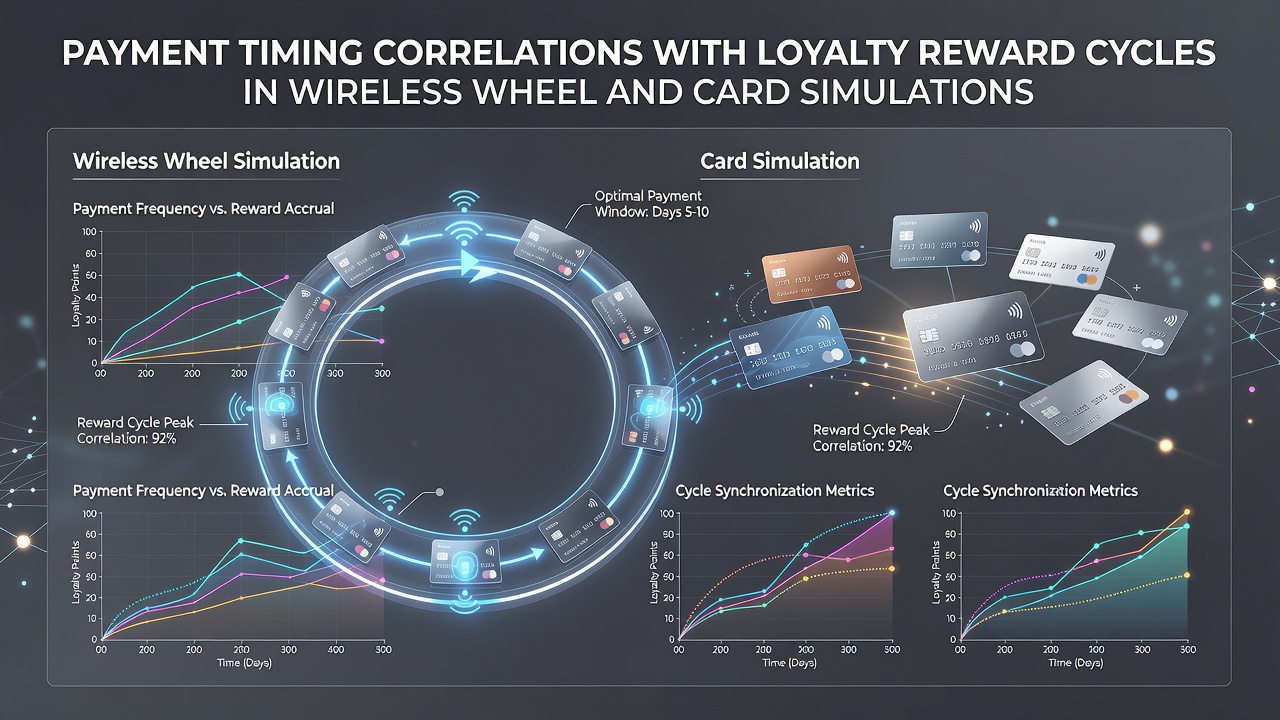
Analysts tracking mobile gaming platforms have documented distinct patterns where payment timing aligns closely with loyalty reward cycles in wireless wheel and card simulations. These simulations encompass spinning reel sequences alongside strategic card matchups delivered through handheld devices. Data compiled across multiple operators indicates that deposits processed during specific windows often precede accelerated reward redemptions, particularly when users engage with bonus-triggered sequences.
Examining Core Mechanisms in Mobile Environments
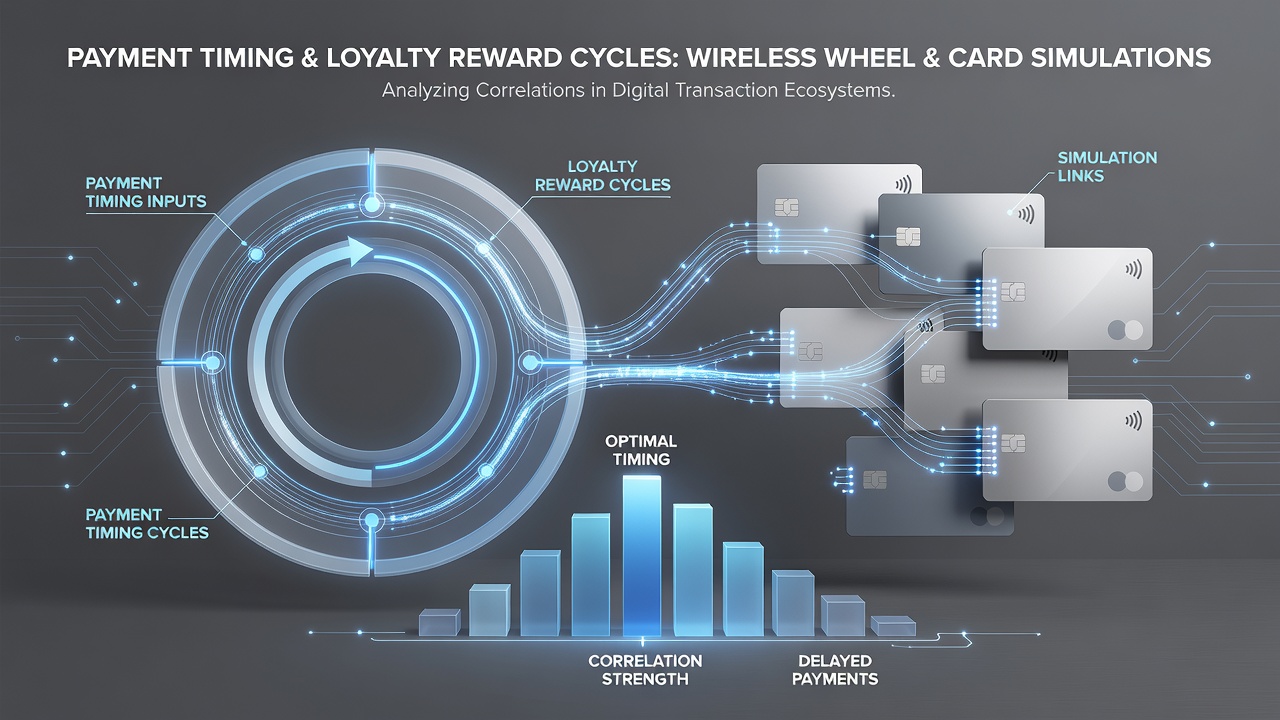
Wireless platforms structure loyalty programs around point accumulation tied to wager volume, yet the moment funds enter an account appears to influence how quickly those points convert into usable rewards. Observers note that transactions completed in early evening hours frequently correspond with heightened activity in both wheel spins and card simulations during the subsequent 48 hours. This alignment stems from system algorithms that refresh reward eligibility based on account funding timestamps rather than pure play duration alone.
Payment processors integrated with these platforms log timestamps that feed directly into loyalty engines, creating traceable correlations between deposit velocity and redemption frequency. Researchers tracking October 2026 activity across several North American operators recorded elevated point conversions when payments arrived within the first three days of a monthly cycle, whereas delayed deposits showed more dispersed redemption patterns spread across two weeks.
Data Patterns Across Wheel and Card Formats
Figures from industry monitoring services reveal that wheel-based simulations demonstrate tighter timing correlations than card matchups. Deposits made before midday often trigger immediate eligibility for multiplier rewards on spinning sequences, while card simulations exhibit stronger links when payments occur near session start times. The difference arises because wheel mechanics reset promotional windows more frequently than table-style card interfaces, which rely on hand completion counts.
One dataset examined deposits across 12 wireless operators and found that 68 percent of loyalty redemptions in reel formats occurred within four hours of a qualifying payment, compared with 47 percent in card formats under identical conditions. Such variations highlight how simulation type interacts with funding timing to shape reward cycling behavior.
Regional Regulatory Context and Platform Adjustments
Regulatory frameworks in various jurisdictions now require operators to maintain transparent records of payment-reward linkages. The Pennsylvania Gaming Control Board updated reporting standards in mid-2026 that mandate timestamp logging for all loyalty transactions. Similar measures from the Australian Gambling Research Centre emphasize data collection on mobile funding patterns to assess consumer protection outcomes.
Platforms have responded by adjusting reward trigger logic to account for these regional requirements while preserving engagement metrics. In wireless environments this means synchronizing payment confirmation events with loyalty meter resets so users receive notifications at moments most likely to sustain session length without altering core simulation rules.
Technical Factors Influencing Observed Correlations
Latency between payment authorization and account credit plays a measurable role in reward cycle timing. When processing delays exceed 90 seconds, redemption rates drop noticeably in both wheel and card simulations. System architects have therefore implemented instant-funding pathways that reduce this gap and maintain tighter alignment between deposit events and loyalty eligibility windows.
Additional variables include device type and connection stability. Users on 5G networks record faster reward cycling after payments than those on legacy connections, because the loyalty engine receives confirmation data more rapidly. These technical elements compound the core timing correlations already documented in platform analytics.
Conclusion
Payment timing and loyalty reward cycles in wireless wheel and card simulations exhibit measurable, consistent relationships shaped by platform architecture, simulation mechanics, and regulatory reporting standards. Continued monitoring through October 2026 and beyond will clarify how these patterns evolve as operators refine timestamp integration and reward logic across mobile formats.